Three-Sided Section of a Portable Shrine (11.4 cm high) with Scenes from the Life of the Buddha. Pakistan (ancient region of Gandhara), 5th–6th century.

Buddhist encyclopedia
Three-Sided Section of a Portable Shrine (11.4 cm high) with Scenes from the Life of the Buddha. Pakistan (ancient region of Gandhara), 5th–6th century.
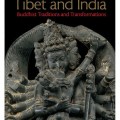
As Buddhism spread out from north India, the place of its origin in the sixth century BC, the core ideas of this great religious tradition were often expressed through images. This Bulletin and the exhibition it accompanies, “Tibet and India: Buddhist Traditions and Transformations,” focus on Indian and Tibetan Buddhist art of the eleventh and twelfth centuries… (Free PDF download) Beautiful Buddhist works of art

This small bronze Buddha (16.8 cm) is probably one of the earliest iconic representations of Shakyamuni from Gandhara.

Han Shan wrote poems for everyone, not just the educated elite. A man free of spiritual doctrine, it is unclear whether or not he was a monk, whether he was a Buddhist or a Taoist, or both. It is not even certain he ever lived, but the poems do. Short film (about 30 minutes)

This book provides a detailed biography with a focus on the influential historical writings he composed to defend Chan claims of a “mind-to-mind transmission” tracing back to the historical Buddha.
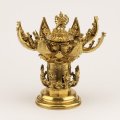
Buddhist art: Tantric shrine, disclosing Nirvana within the petals of a lotus.

The Buddha was very fortunate actually to have come on the scene a century or so after the golden age of the Upanishads, as there was a background of religious feeling and understanding which enabled many people to appreciate the depth of his teaching.
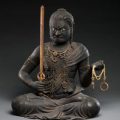
Fudō uses his sword to cut through ignorance and his lasso to reign in those who would block the path to enlightenment.
 Buddhism now