In modern society, our identity is often entangled with the external markers of success: our occupation, material possessions, social standing, and relationships. We are conditioned from a young age to believe that our worth is determined by these achievements. A high-paying job, an impressive home, or a luxury car are seen as symbols of accomplishment, and we are encouraged to cling to them in the hope they will provide us with happiness, security, and a sense of self-worth. But within the teachings of the Buddha, we are reminded of a profound truth: none of these things constitutes who we truly are. Our true self is not defined by the transient, external circumstances that society upholds as valuable. Instead, it lies far beyond the impermanent world of form.
Image:
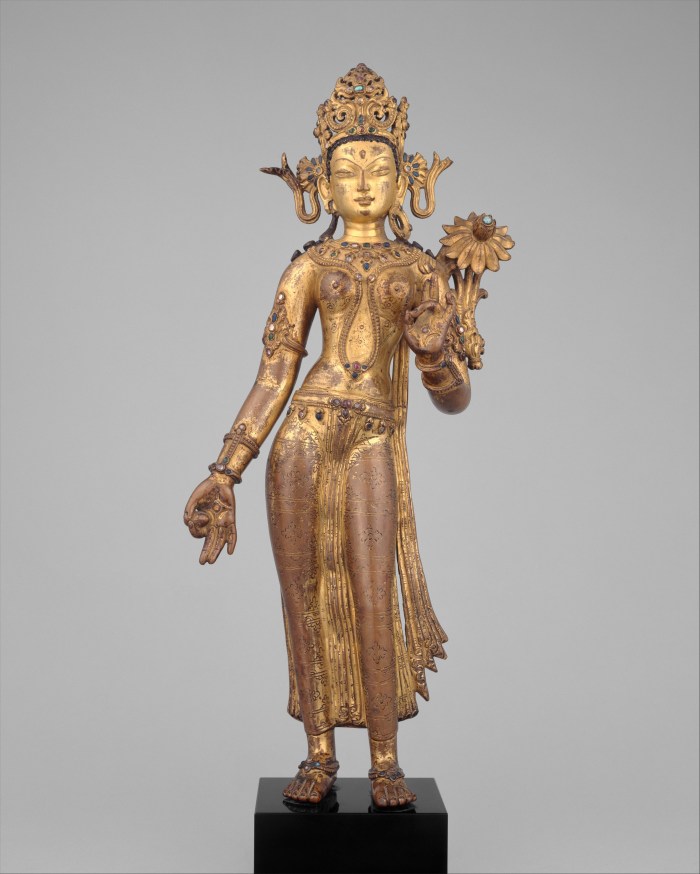
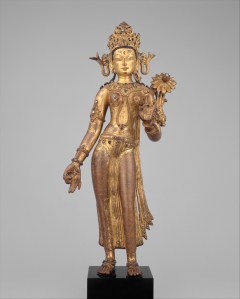
Tara, the Buddhist Saviour
Nepal, Kathmandu Valley, 14th century
Tara, the supreme Buddhist saviour, grants boons to devotees with her outstretched lower hand delicately clasping a flower bud. A lotus in full bloom adorns her shoulder. She is richly bejeweled, her openwork diadem inset with turquoise and semiprecious stones. In Vajrayana Buddhism, Tara is often presented as the spiritual counterpart to Avalokiteshvara and shares with him a premier role in Tibet as a compassionate protectress. Tara appears in many forms, of which Sitatara, the White Tara, who displays a lotus (padma), was the most popular. It is likely Sitatara who is represented here, the embodiment of perfected wisdom and wish-fulfilling granter of boons.
Share:

Categories: Buddhism
 Buddhism now
Comments