It is a sermon not by exhortation, reasoning or threats but by example…

It is a sermon not by exhortation, reasoning or threats but by example…
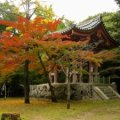
This is a temple scene. Suddenly in the quiet there is the bursting force of the shrill note of the cicada. It’s ear piercing while it lasts then it stops, and there is the moment when that shrillness is soaked up, soaks away into the stillness of the rocks, the stones, of the temple…
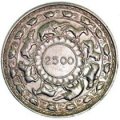
Within the first six months of my coming across Buddhism, I had bought about two dozen Buddha-rupas, Kwan-yins, joss sticks, and enough books to open a library that would rival the one at Eccleston Square. Then I realised that there was more to it than that. I had to do something as well…
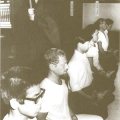
These intensive meditation retreats, though somewhat mechanical themselves, seem to be designed to awaken you from mechanical, unaware existence. Long and consecutive days of intensive zazen require new ways of dealing with physical and mental pain, boredom, and fear…

Francesca Fremantle biography.

I hope you’ll agree this is a pretty evocative photo of a Bamiyan Buddha and a great old Wolseley tourer…
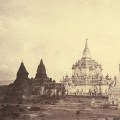
Thinking is always about something. It is an attempt to categorise. What we experience is seen in the light of past experience. What we have experienced in the past is filtered through the way we look at things, our dispositions (sankhara). That is why thought will not allow us to see things anew. If we want to experience things as they really are, then thought about those things must come to an end. When thinking stops, we must be right there with what is happening…

Historically, the Japanese have considered women to be the proper interpreters of the teaching of the gods. In fact, the first spiritual and political leader of Japan on record was Himiko (or Pimiko), a queen whose authority was based on her religious or magical powers. She was a Shaman who the Chinese chronicles describe as unmarried with a thousand women attendants and one man, and who spent her time with magic and sorcery. She was a mediator between the people and their gods…
 Buddhism now