‘By relinquishing attachment and seeing things as they truly are, we can free ourselves from the cycle of craving and dissatisfaction.’
Everyday Buddhism
‘By relinquishing attachment and seeing things as they truly are, we can free ourselves from the cycle of craving and dissatisfaction.’
Everyday Buddhism
‘When we consider the Three Marks of Existence—Anicca (impermanence), Dukkha (suffering), and Anattā (not-self)—we see that these insights do not merely describe metaphysical truths about the world; they are calls to a transformation in how we live.’
Everyday Buddhism
‘When we relinquish the need for intellectual certainty, we open ourselves to the vastness of reality, which can never be fully grasped by the mind.’
Everyday Buddhism
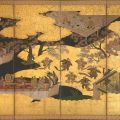
The true sangha, as the Buddha envisioned it, is a community of individuals committed to treading the path of liberation. Whether large or small, the role of the sangha is to support each other’s practice.

‘Morning Meditation: Although we might feel unequal to tackling a Zen koan, our life itself is a koan.’
Everyday Buddhism
‘In the vast landscape of the mind, two forces are constantly at play: delusion and awareness.’
Everyday Buddhism

‘As long as we have belief or notion of a ‘self’, we shall naturally think that liberation will take a long time.’
Everyday Buddhism
‘Through meditation and awareness, we train the mind to become still, to see beyond surface appearances and the habitual patterns of thought that bind us to dualistic thinking.’
Everyday Buddhism
 Buddhism now