Crossing the Flood
Thus have I heard. On one occasion the Blessed One was dwelling at Savatthi in Jeta’s Grove, Anathapiṇḍika’s Park. Then, when the night had advanced, a certain devatā of stunning beauty, illuminating the entire Jeta’s Grove, approached the Blessed One. Having approached, he paid homage to the Blessed One, stood to one side, and said to him:
“How, dear sir, did you cross the flood?”
“By not halting, friend, and by not straining I crossed the flood.”
“But how is it, dear sir, that by not halting and by not straining you crossed the flood?”
“When I came to a standstill, friend, then I sank; but when I struggled, then I got swept away. It is in this way, friend, that by not halting and by not straining I crossed the flood.”
The devatā:
“After a long time at last I see
A brahmin who is fully quenched,
Who by not halting, not straining,
Has crossed over attachment to the world.”
This is what that devatā said. The Teacher approved. Then that devatā, thinking, “The Teacher has approved of me,” paid homage to the Blessed One and, keeping him on the right, disappeared right there.
Saṁyutta Nikāya
Connected Discourses with Devatas
Oghataraṇasutta—Bhikkhu Bodhi
With thanks to SuttaCentral.
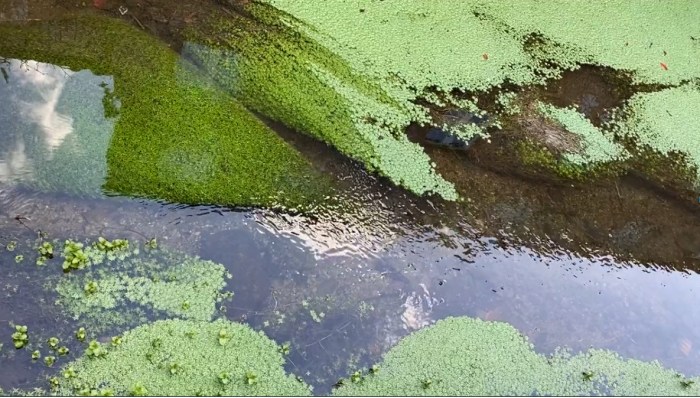
Crossing the Flood
Is a beautiful teaching about avoiding two extremes: excessive striving (āyūhana) and complacent stagnation (santiṭṭhati).
This sutta uses the metaphor of crossing a dangerous flood (ogha) to represent transcending samsara. The Buddha’s method—neither striving too hard nor being completely passive—illustrates the Middle Way (majjhimā paṭipadā).

 Buddhism now
Comments