Our purpose for living is to become No-mind/No-self, and a person who has become No-mind/No-self is called a Buddha. Each action we make is completely Empty, it is Nothingness, and if we express this using words, this is the ‘Buddha-dharma’. It is not possible for the ego to intervene in the Dharma…
Mahayana
There is a treasure in our own house, by Trevor Leggett
This comes again and again. There is something hidden even in the terrible experiences we have, which ― if we have spiritual sight and discrimination ― we can find. There is a treasure in our own house which we often don’t see. We can say, ‘Well, how can there be?’…
Dharma-Seal of the Unborn, by Kusan Sumin
Everyone originally possesses the Dharma-Seal of the Unborn; so why do you still search for it? Have you realized it yet?
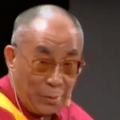
Compassionate Ethics in Difficult Times, by The Dalai Lama
His Holiness talks about ethics and compassion…
Tantric View of Nonattachment, by Francesca Fremantle
When we are happy we usually do not want to hear anything about detachment, because the little self likes being involved in pleasant experiences and thinks it would spoil the fun…
Fingers and Moons
The well-known Zen Buddhist phrase ‘the finger pointing at the moon’ refers to the means and the end, and the possibility of mistaking one for the other…
Perfect Wisdom: Prajnaparamita Texts
The Perfection of Wisdom Sutras (The Short Prajnaparamita Texts) were composed in India between approximately 100 BC and AD 600. Those contained within this volume are among the shorter ones; they are also some of the most well known such as The Heart Sutra, Perfection of Wisdom in 500 lines, The Diamond Sutra, and Perfection of Wisdom in 700 lines.
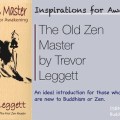
The Old Zen Master
At the beginning you have to take up a koan riddle. One such is this: ‘What is your true face before father and mother were born’. For one facing the turbulence of life and death, such a koan clears away the sandy soil and opens up the golden treasure which was there from the beginning, the ageless root of all things…