We received a warm welcome from the many Tibetans we met — a life-changing experience for me, a homecoming — the landscape, buildings and the people merging, and overnight stays with Tibetan families wherever possible.

We received a warm welcome from the many Tibetans we met — a life-changing experience for me, a homecoming — the landscape, buildings and the people merging, and overnight stays with Tibetan families wherever possible.

The Four Noble Truths were the first teaching Buddha gave after his awakening. They are the foundation of all Buddhist teachings. Short Buddhist video (about 12 minutes)

In September 2016 Piers Morgan met his Holiness, the Dalai Lama — and the pair talked about everything, from Mr Trump, to IS, to love and marriage and even celebrity culture. Watch the full (40-minute, uncut), fascinating discussion.
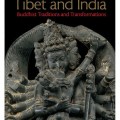
As Buddhism spread out from north India, the place of its origin in the sixth century BC, the core ideas of this great religious tradition were often expressed through images. This Bulletin and the exhibition it accompanies, “Tibet and India: Buddhist Traditions and Transformations,” focus on Indian and Tibetan Buddhist art of the eleventh and twelfth centuries… (Free PDF download) Beautiful Buddhist works of art

Just as a jewel is capable of removing poverty, so the altruistic mind of enlightenment is capable of removing the poverty, or difficulties of cyclic existence and of solitary peace. Similarly, just as a jewel fulfils the wishes of sentient beings, so the altruistic intention to become enlightened fulfils the wishes of sentient beings.

When the tantras first arrived in Tibet, Tibetans were slow to compose full-blown commentaries on these esoteric works…
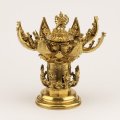
Buddhist art: Tantric shrine, disclosing Nirvana within the petals of a lotus.

Short talk by the Dalai Lama on the ‘law of causality and dependent origination’. About 25 minutes.
 Buddhism now