To experience the Buddha directly is to be fully present with what is, without clinging or resistance. It is to engage with the moment, each thought, each feeling, as an expression of the Dharma. This is where awareness and insight come together, where we move beyond mere observation to a direct, intimate experience of reality.
When we practise in this way, we begin to see that Buddha is not separate from our own experience. It is present in our moments of clarity and confusion, in our joys and sorrows, in our strengths and vulnerabilities. Buddha is the quality of awareness that observes without judgement, the compassion that arises naturally when we let go of our self-centred views, the wisdom that knows the impermanence and interdependence of all things.
When we practise in this way, we begin to see that Buddha is not separate from our own experience. It is present in our moments of clarity and confusion, in our joys and sorrows, in our strengths and vulnerabilities. Buddha is the quality of awareness that notices without judgement, the compassion that arises naturally when we let go of our self-centred views, the wisdom that knows the impermanence and interdependence of all things.
In this sense, Buddha is not something to be attained but something to be realised in the very fabric of our daily lives. Every moment, every encounter, every breath is an opportunity to experience the Buddha within. It is a practice of recognising and trusting in our own capacity for awakening, even in the midst of our ordinary, imperfect experience.
‘Returning to the Essence’ is an extract from Buddha as Person, Buddha as Experience. A spiritual travelogue that invites readers on an inner journey guided by the Buddha — one of the most profound figures in human history.

Click here to find more extracts from Buddha as Person, Buddha as Experience.
Read more Morning Meditation quotes from Buddha as Person, Buddha as Experience.
Image:
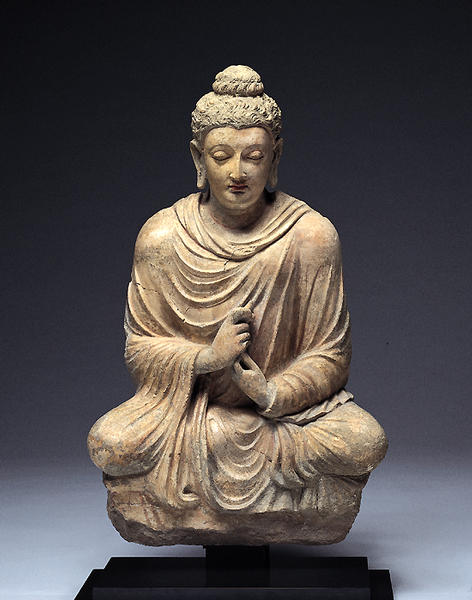
Buddha sitting in Dharmacakramudrā [wheel of dharma mudra, or mudra of teaching the dharma.
Seated Buddha in Dharmachakra Mudra. With thanks to © MIHO Museum, Japan
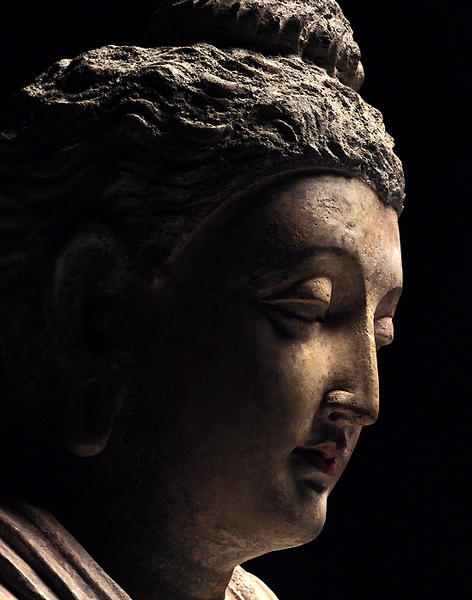
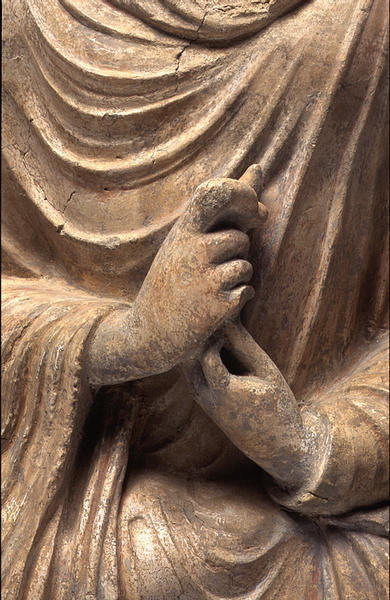
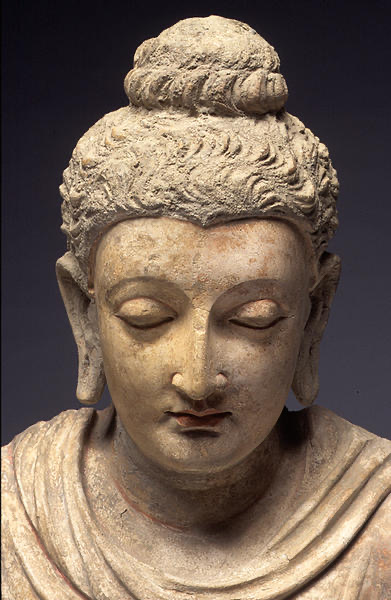
The Dharmachakra mudra (Wheel of Dharma gesture) symbolises the Buddha’s first sermon at Sarnath and the continuous turning of the Wheel of Dharma.
Share:

Categories: An Introduction to Buddhism, Biography, Buddhism, Everyday Buddhism


Comments