The habit of dividing the essential nature of oneness into self and other, life and death, pain and pleasure, rising and falling, and so on, is the source of all delusion and anxiety…

The habit of dividing the essential nature of oneness into self and other, life and death, pain and pleasure, rising and falling, and so on, is the source of all delusion and anxiety…

These intensive meditation retreats, though somewhat mechanical themselves, seem to be designed to awaken you from mechanical, unaware existence. Long and consecutive days of intensive zazen require new ways of dealing with physical and mental pain, boredom, and fear…

Zen Buddhism. Great photograph from @KyotoDailyPhoto and verse by Basho…

Historically, the Japanese have considered women to be the proper interpreters of the teaching of the gods. In fact, the first spiritual and political leader of Japan on record was Himiko (or Pimiko), a queen whose authority was based on her religious or magical powers. She was a Shaman who the Chinese chronicles describe as unmarried with a thousand women attendants and one man, and who spent her time with magic and sorcery. She was a mediator between the people and their gods…

To generate bodhi-mind is to arouse the mind that vows to save all sentient beings.
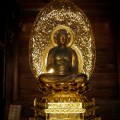
We can see the original principle of existence in the life of a tree, a pebble, snow, the seasons and other forms in nature.

Green tea is chosen over other beverages because of its subtlety. In order to fully appreciate it the mind must be quiet and empty of distracting thoughts. If you talk while drinking, it is likely that you will miss the fullness of the taste. And as the ability to appreciate the subtle taste develops over the years, the person changes accordingly…

So we have to do zazen. It’s the most important thing in the life of a human being.
 Buddhism now