Our practice is not so simple that when we sit in zazen, we automatically have fantastic experiences.

Our practice is not so simple that when we sit in zazen, we automatically have fantastic experiences.
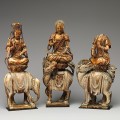
As expressed in these words, we vow to awaken to the Way of Buddha. To receive the precepts means that by repeatedly making repentance, it is possible to awaken to the Dharma and this is why we chant these vows. Using these four vows as a common guide for all mankind…

‘Nothing of this sort needs to be coped with. Why? Because, if avoidable, it will be avoided. If unavoidable, it will be borne. If sufferable, it will be suffered. If insufferable, it will be wept at.’

If buddha-dharma is the self, why do we have to study from others? Why do we have to practise in order to change the self? Why do we have to practise? We already have buddha-nature. We can do whatever we want. What is wrong with this kind of view? That is the question. Dogen’s reply is as follows:…
The real part 5 of Zazenshin. Sorry for the slip up last time.
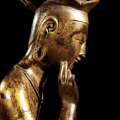
The origin of Buddha statues of this style is the figure of Prince Siddhartha in contemplation pondering the four phases of life (birth, old age, sickness, and death). Established first in India, the Pensive Bodhisattva was made in countless numbers in China but not till it came to Korea…

A monk asked, “What is the essential meaning of Buddhism?” Mazu said, “What is the meaning of this moment?”
Afterwards, however, as I began reflecting upon my everyday behaviour, I could see that the two aspects of my life—the active and the meditative—were totally out of balance. No matter what I was doing, I never felt free or completely at ease. I realised I would have to rekindle a fearless resolve and once again throw myself life and limb together into the Dharma struggle…
Shenhui thus founded what became known as the Heze (in Japanese, Kataku) school of Zen. The branch largely died out during the early ninth century and is not remembered as a major school. Nevertheless, the doctrine of sudden enlightenment remained a central characteristic that defined the teaching styles and cultural flavour of later Chinese Zen…
 Buddhism now